
Now Offering Saturday Plumbing Service
Need plumbing service on a Saturday? No problem. We now offer Saturday plumbing service to make scheduling easier for Blanco homeowners.
Although you probably do not think about it often, your water heater is one of the hardest-working appliances in your home. It supports daily showers, laundry, dishwashing, cleaning, and cooking. When it starts failing, the problem shows up fast. You may run out of hot water, notice rusty water, hear rumbling from the tank, or find leaks around the unit. For homeowners and landlords in Blanco, a water heater problem is not just an inconvenience. It can become a safety issue, a code issue, and an expensive water damage problem if it is ignored. Blanco AC, Electrical & Plumbing provides water heater replacement and installation services in Blanco to help restore reliable hot water quickly and safely.
Our team helps you do more than swap out a broken unit. We can help you compare tank and tankless models, gas and electric systems, and high-efficiency options such as heat pump water heaters. We also help homeowners understand installation requirements, permit-related considerations, venting, gas line or electrical needs, expansion tanks, temperature and pressure relief valve safety, and what makes more sense financially, repair or full replacement. Because humans enjoy turning simple hot water into a full systems problem, it helps to have an actual licensed plumber involved.
When Is the Right Time for Water Heater Replacement?
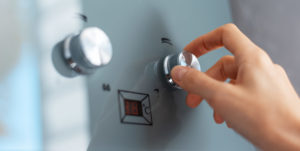
Short of a full breakdown, it is not always easy to know when a water heater needs to be replaced. Many units give warning signs before they fail completely. If you are questioning whether it is time for replacement, keep an eye out for these signs:
- Old Age , many standard tank water heaters last around 8 to 12 years, while tankless models often last longer with proper maintenance. If your tank unit is already in the 10 to 15 year range, replacement may be more cost-effective than continuing to invest in repairs.
- Rusty Water , if rust appears mainly on the hot water side, the inside of the tank may be corroding. Visible exterior rust can also be a warning sign that the unit is deteriorating.
- No Hot Water or Low Hot Water , if the water never gets hot enough or runs out unusually fast, the problem may involve heating elements, burners, sediment buildup, or overall system decline.
- Leaks , a leaking connection may sometimes be repairable, but a leaking tank itself usually points toward replacement because the tank is not a replaceable component.
- Unusual Sounds , rumbling or popping noises often point to sediment buildup. That buildup can reduce efficiency, overwork the unit, and speed up tank failure.
It is important to act on these warning signs early. Otherwise, you could end up with a burst tank, major water damage, and a rushed emergency replacement. Even if you are not fully sure what is wrong, it is usually smarter to get the system checked before the problem turns into a much larger mess.
Common Water Heater Problems and Basic Troubleshooting
Some water heater issues have simple explanations, while others need immediate professional attention. Before you assume the entire unit is dead, there are a few basic things homeowners can safely check:
- For an electric water heater, check the circuit breaker first. A tripped breaker can cut power to the heater.
- For a gas water heater, check whether the pilot light is out if your model has one. If it will not stay lit, stop there and have a professional inspect it.
- Check the thermostat setting. Sometimes the issue is simply that the set temperature is too low.
- Look for visible leaks around fittings or the drain area, but do not open gas or electrical components yourself.
- If the water smells odd, looks rusty, or the unit is making loud noises, that usually points to buildup, corrosion, or a failing tank rather than a quick homeowner fix.
If these quick checks do not solve the problem, it is time to call a plumber. Water heaters involve pressurized hot water, electrical power, gas connections, combustion venting in some models, and safety devices that need to work correctly. That is not a great place for improvisation.
Choosing the Right Water Heater Type and Size
One of the biggest decisions during replacement is choosing the right type of water heater for the home. The best option depends on your household size, hot water habits, fuel source, space, budget, and efficiency goals. It is important to compare both size and energy efficiency when selecting a new unit.
Traditional Tank Water Heaters
Tank water heaters store and heat a set amount of water, usually in sizes such as 40, 50, or 80 gallons. They usually cost less upfront and are often the simplest option when replacing an existing tank with a similar unit. They work well for many homes, especially when the household’s hot water demand is predictable.
Tankless Water Heaters
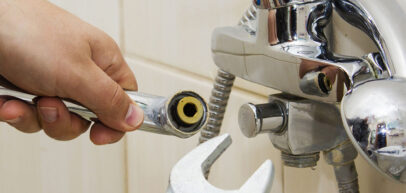
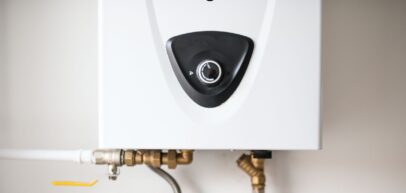
Tankless models heat water on demand instead of storing it in a tank. They reduce standby heat loss and can save energy, especially in homes with lower to moderate hot water use patterns. They also take up less space and can last longer, but they usually cost more upfront and may require gas line, venting, or electrical upgrades.
Gas Water Heaters
Gas units often recover hot water faster than electric resistance models and can be a good fit when natural gas is already available. However, gas models involve venting, combustion safety, and gas line sizing that must be handled correctly during installation. Tankless gas models may also require larger gas supply capacity than older units.
Electric Water Heaters
Electric tank water heaters are often simpler to install when the home already uses electric service for the unit. They can be a practical replacement option, though they are usually less efficient than modern heat pump water heaters and may have slower recovery than some gas models.
Heat Pump Water Heaters
Heat pump water heaters, sometimes called hybrid water heaters, use electricity to move heat rather than generate it directly. These systems can be much more efficient than standard electric resistance models and can be an excellent fit for efficiency-minded homeowners, though they need the right installation space and conditions.
Repair or Replace? How to Decide
Replacement is not always the only answer. In many cases, a water heater can still be repaired if the issue is limited and the unit is not too old. For example, replacing a heating element, thermostat, or other serviceable component on a younger unit may make sense. But as water heaters age, the financial risk shifts.
A practical way to think about it is the repair-versus-replacement threshold. If a standard tank water heater is nearing or beyond 10 years old, showing rust or leakage, or needs a repair that costs a large percentage of replacement value, replacement often makes more sense. Many homeowners use a basic “50% rule” mindset here. If the repair is approaching half the cost of a new system, and the existing unit is already old, replacement is usually the safer long-term investment. A leaking tank, visible corrosion, and repeated loss of hot water also push the decision toward replacement because the risk of sudden failure and water damage goes up.
Installation Requirements and Safety Considerations
Water heater installation is not just a matter of swapping one box for another. Proper installation can involve permits, inspection requirements, venting rules for gas units, gas line sizing, water line connections, shutoff access, drain pan requirements in some locations, temperature and pressure relief valve piping, and in many cases an expansion tank depending on the plumbing system setup and local code enforcement. Permit and code compliance matter, especially for venting, gas connections, and water heater placement on plumbing plans.
For homeowners in Blanco, the exact permit path can depend on whether the property is inside the city or in the county, and on the project scope. This is one more reason to use a licensed plumber who understands how installation, inspection, and code compliance fit together.
What Does Water Heater Replacement Cost?
One of the most common questions homeowners ask is the total replacement cost. The answer depends on the type of unit, fuel source, installation complexity, permit costs, venting work, electrical or gas upgrades, location of the heater, and whether related components such as expansion tanks or drain pans need to be updated.
As a broad 2026 starting point, standard tank-style water heater replacement often falls around $882 to $1,814 nationally, while more detailed replacement ranges for a typical project can land around $1,586 to $1,843. In Texas market references, a standard tank replacement can often land around $1,200 to $3,500, while tankless systems can run around $2,500 to $6,500+ depending on upgrades and installation demands. Those are broad planning numbers, not guaranteed quotes, but they give Blanco homeowners a realistic starting point.
The biggest price drivers usually include:
- Tank vs. tankless equipment
- Gas vs. electric fuel source
- Size and recovery capacity
- Permit and inspection requirements
- Gas line, venting, or electrical upgrades
- Expansion tank, pan, valve, or code updates
- Location and difficulty of access
Water Heater Installation
While replacement is sometimes necessary, it is not always your only option. A professional plumber can inspect the unit, identify the source of the problem, and explain whether repair is still practical or whether replacement is the safer and more cost-effective path. Our plumbers can service many makes and models of water heaters, and if replacement is needed, we help guide you through choosing the right type, size, and installation setup for your home.
Can I Repair a Water Heater Myself?
This is one of those situations where “maybe” is not good enough. Very limited homeowner checks, such as looking at the breaker or verifying a thermostat setting, may be reasonable. But actual water heater repair can involve high voltage, gas piping, combustion venting, scalding water, pressure buildup, and the temperature and pressure relief system that helps prevent a dangerous failure. For gas models especially, DIY repair can create fire, explosion, carbon monoxide, or leakage risks if something is installed incorrectly. If the problem goes beyond the most basic external checks, professional service is the safer choice.
Blanco Water Heater Services
When it comes to water heaters, count on Blanco AC, Electrical & Plumbing. Our plumbers take pride in providing quality work and strong customer service on every job. As a locally owned company serving Blanco and the surrounding Texas Hill Country, we understand how important fast restoration, honest recommendations, and dependable installation are when your hot water goes down. If you need repair, replacement, or help comparing your next water heater options, our team is ready to help.
Blanco AC, Electrical & Plumbing offers the water heater installation Blanco residents count on. Contact us today to schedule service, request an estimate, and get expert help choosing the right water heater for your home and budget.
Water Heater FAQs
What Is the Average Cost to Replace a Hot Water Heater?
As a broad starting point, standard tank-style water heater replacement often falls around $882 to $1,814 nationally, while Texas market references commonly put many standard tank replacements around $1,200 to $3,500 depending on labor, venting, permit needs, and related upgrades. Tankless systems usually cost more, often landing around $1,400 to $5,600 or higher installed.
Your actual cost in Blanco can vary based on the unit type, size, fuel source, installation location, permit requirements, and whether the project needs gas line, venting, electrical, or code-related updates.
Can I Repair a Water Heater Myself?
Basic checks such as looking at the circuit breaker or checking whether a gas pilot light is out may be reasonable, but actual repair work is often risky. Water heaters can involve gas lines, combustion venting, high voltage, hot pressurized water, and safety devices such as the temperature and pressure relief valve.
If the issue goes beyond a very simple external check, it is safer to have a licensed plumber inspect and repair it.
Should I Choose a Tank or Tankless Water Heater?
A tank water heater usually costs less upfront and can be the simpler replacement option when you already have a standard tank system. Tankless water heaters heat water on demand, reduce standby losses, and often last longer, but they usually cost more to install and may require gas, venting, or electrical upgrades.
The better choice depends on your household size, hot water demand, space, fuel source, and budget.
Are Heat Pump Water Heaters Worth It?
They can be an excellent option for homeowners focused on efficiency. Heat pump water heaters can be much more efficient than standard electric resistance, gas, and propane models.
They do need the right installation conditions and usually cost more upfront, so they are not the perfect fit for every home.
When Should I Repair My Water Heater Instead of Replacing It?
Repair often makes sense when the unit is still fairly young and the problem is limited to a serviceable component such as an element, thermostat, or burner-related part.
Replacement becomes more attractive when the system is older, rusty, leaking from the tank, making loud sediment-related noises, or when the repair cost starts approaching a large portion of replacement value.
Do Water Heater Installations Require Permits in Blanco?
Permit requirements can depend on the property location and scope of work, but installations still need to follow applicable plumbing, gas, and safety code requirements.
A licensed plumber can help make sure the installation is handled correctly and with the right inspection process.
What Should I Check If I Suddenly Have No Hot Water?
For an electric unit, check the breaker first. For a gas model, see whether the pilot light is out if your system uses one. Also check the thermostat setting and look for visible leaks around the unit.
If the problem continues, or if you see rust, leaking, or hear unusual noises, it is time to call a plumber for a proper diagnosis.

Tankless Water Heaters
Top Signs Your Water Heater Needs Winter Care
Choosing The Right Size Water Heater

Why Choose Blanco AC, Electrical & Plumbing?
We set our standards high so that you get the service you deserve!

Trane Comfort

Professional

Reliable Quality